If you are a child of the 80s, you might remember playing the computer game Where in the World is Carmen Sandiego? In elementary school, I looked forward each week to computer lab, where we were paired up and assigned to one of the giant PCs to play Where in the World or The Oregon Trail. I don’t believe I ever made it to Oregon – my trip was invariably cut short by dysentery or drowning – but Carmen Sandiego took me all around the world.
My work with NeighborSpace doesn’t lead me quite as far afield but I find it no less exciting. I get to explore neighborhoods across urban Baltimore County, check out beautiful properties and meet people with big hearts and fascinating stories. Of course, as the ED, I spend the majority of my time at my desk, planning and implementing projects, applying for and managing grants, meeting with partners and taking care of administrative duties. But the beauty of this work is the incredible variety that it offers. Walk with me through the past month to get a glimpse of what NeighborSpace has been up to!
Week 1
I start the week with a kick-off meeting with NeighborSpace’s new Community Conservation Manager. Will has a strong background in environmental education and lots of enthusiasm. I share the history of the organization, where NeighborSpace currently is, and information about upcoming events. We discuss projects that are underway or in the works and what we should prioritize. There is a lot going on but Will is ready to dive in! I leave the meeting excited to have Will on our team and with some ideas to draw on their unique skill set for future programs.
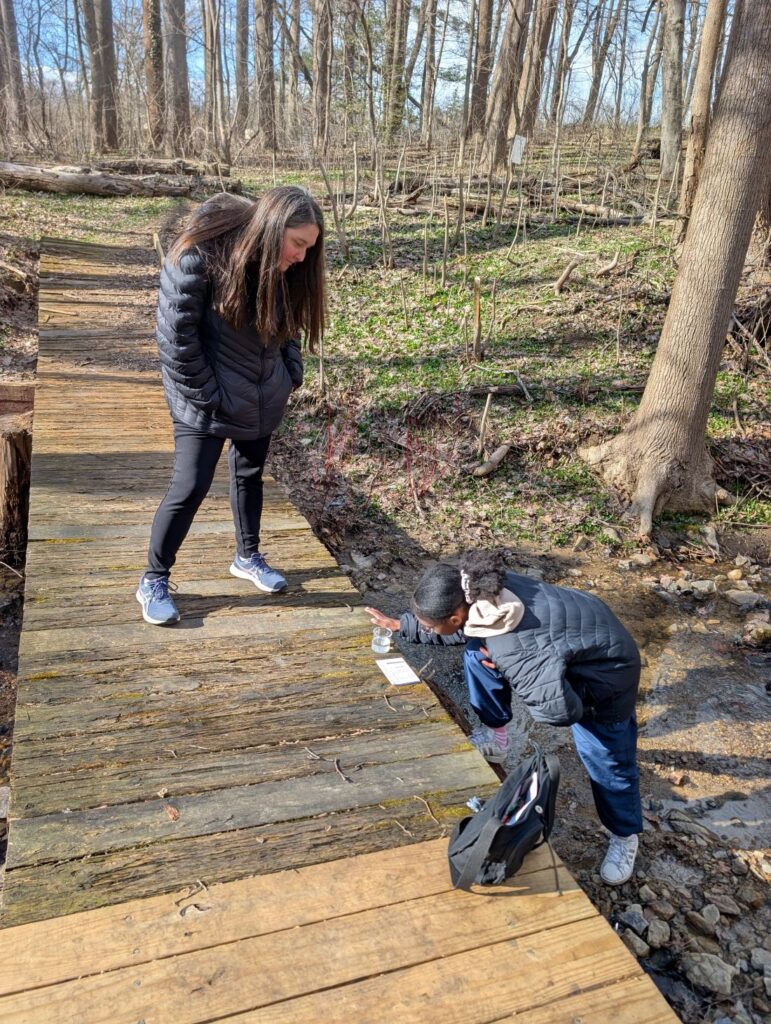
On Tuesday, I meet Conor, NeighborSpace’s Land Steward, and Ndamona, our high school intern, at Tollgate Wyndham Preserve. Ndamona has been working with us since August and has assisted with a variety of activities. Since the late fall, she has honed in on forestry work and performed invasive removal, surveyed for NeighborSpace’s forest health assessment, and monitored the streams for salt levels at Tollgate Wyndham Preserve, Volz Neighborhood Preserve, and Levickas Woods. Today, the BCPS staff member who oversees the high school internship program is stopping by for a site visit. Ndamona demonstrates how she tests for salt and we discuss the result, how it compares to previous measurements, and why it matters. In the next few weeks, Ndamona will report on her work to her peers and teachers.

Wednesday is a meeting marathon, beginning with the monthly NeighborSpace staff meeting. We switched from virtual meetings to getting together in-person a year ago and it has been fun and inspiring to share ideas and lessons learned. I’m lucky to have a truly excellent team and always walk away energized! I head back to my desk for the next several meetings: a biweekly check-in with our team at the National Park Service to discuss progress on NeighborSpace’s strategic conservation plan, a meeting with our partners at Patapsco Heritage Greenway to discuss how we can support their new Watershed Engagement Plan, and the monthly Executive Committee meeting of Forever Maryland. Serving on the Board of Forever Maryland has been a great way to learn more about the issues challenging land conservation across the state and I am always in awe of my colleagues’ knowledge and efforts. I end the day in my garden shed: Conor and I inventory all the NeighborSpace tools and take stock of what needs to be repaired or replaced.
NeighborSpace received a new request for conservation, so on Thursday I stop by this potential site with Marsha and John. As former planners and longtime NeighborSpace Board members, Marsha and John know what to look for in a property and what questions to ask of the landowner. As is often the case, the property is a hidden gem and the owner’s love for the land is palpable. I take copious notes and pictures. Later, I’ll collate a summary of these with the results from NeighborSpace’s custom GIS model and some desktop research and share this report with the Applications Committee.
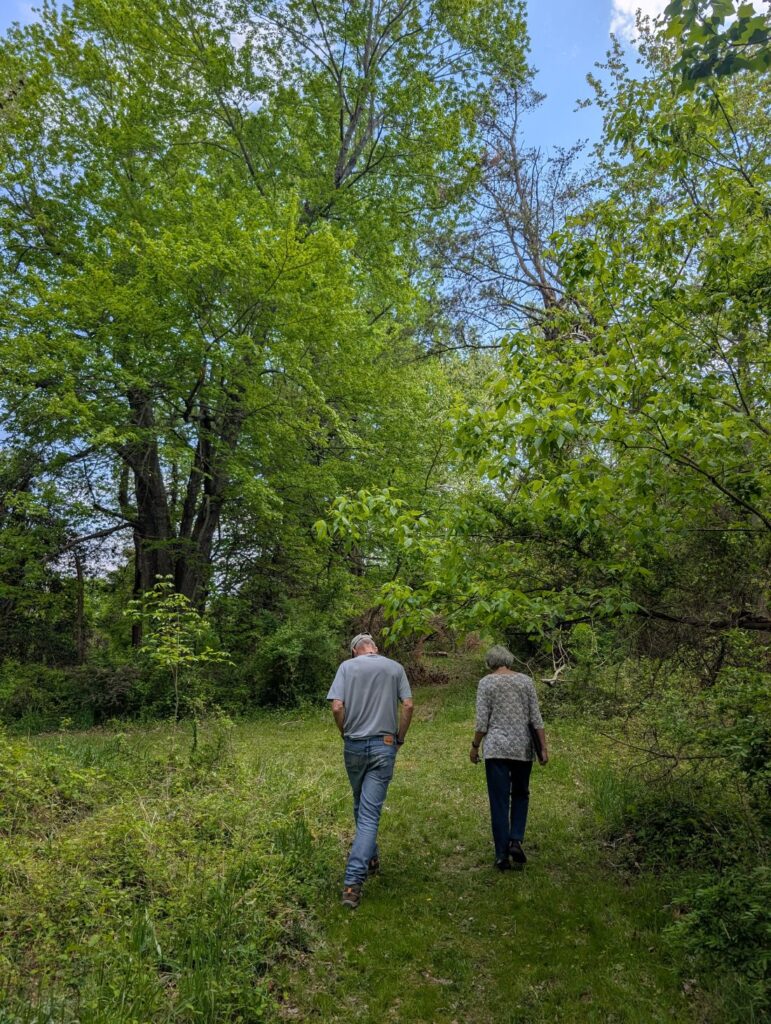
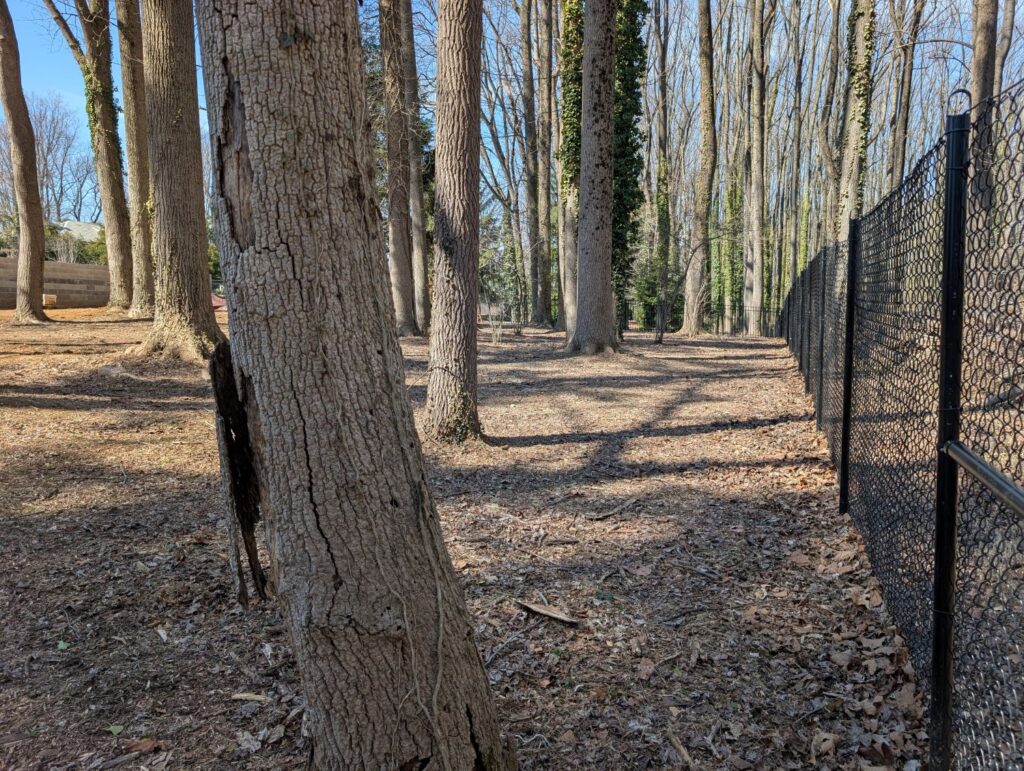
On Friday, I meet one of my favorite donors for breakfast. We discuss what his support has helped NeighborSpace accomplish over the past few months and how he would like to be involved going forward. I love talking about our work and hearing from our members who make it all happen, so this is a great way to start the day! I stop by one of NeighborSpace’s two private properties, Landfall Preserve, to perform the annual monitoring visit. The owner takes a proactive approach to stewardship and has recently cleared a large section of his forest of invasives, which he plans to restore with native shrubs and trees. He is also replacing a large section of turfgrass with a pollinator meadow and vegetable garden. NeighborSpace visited the site several months ago and provided recommendations for woodland species to plant and invasives to watch out for. It’s nice to see this project take shape.

After completing the monitoring protocol, I head to my desk for virtual meetings with our brand new fundraising champions. NeighborSpace recently completed a Development Plan that provides a strategic framework to grow the organization’s membership and unrestricted income through a number of new and fun initiatives. Its implementation relies on Board member “champions” who take the lead on these initiatives. I’m proud and grateful to report that the champion roles were filled in no time and that they are hitting the ground running!
Week 2
On Monday, I visit Powhatan Park with staff members of the Maryland Department of Natural Resources. This community park was enhanced with stormwater BMPs in 2022 thanks to funding from DNR’s Resiliency through Restoration Initiative. The Department is now providing an opportunity to apply for adaptive management funding. The two bioretention ponds that were installed in 2022 don’t seem to be taking on stormwater, or at least not as much as was anticipated, so I’ve requested funding to assess their function and explore adjustments if needed. We take a walk around the park and talk through what information DNR needs from NeighborSpace to submit a request for funding. We also discuss stewardship challenges at this park and in general and I leave with some new connections to reach out to.
The middle of the week is filled with meetings with individual staff members, Board committees and partners. The Governance and Nominating Committee reviews the recommendations made by the board development consultant that NeighborSpace has been working with and begins to plan for implementation of these changes. We also discuss potential new Board members to meet with. In the monthly meeting of the Advocacy and Public Policy Committee, members discuss Forever Maryland’s efforts in Annapolis this legislative session and the candidates forum that the Baltimore County Land Trust Coalition is hosting in May. Committee members will continue to inform current and potential future County Council members of NeighborSpace’s parks and programs. I tune into the bi-monthly meeting of the BGREEN coalition, of which NeighborSpace is a founding member. BGREEN stands for Baltimore Greater Regional Environmental Equity Network and was founded to increase collaboration and build capacity among communities in the Baltimore area to address local environmental issues.
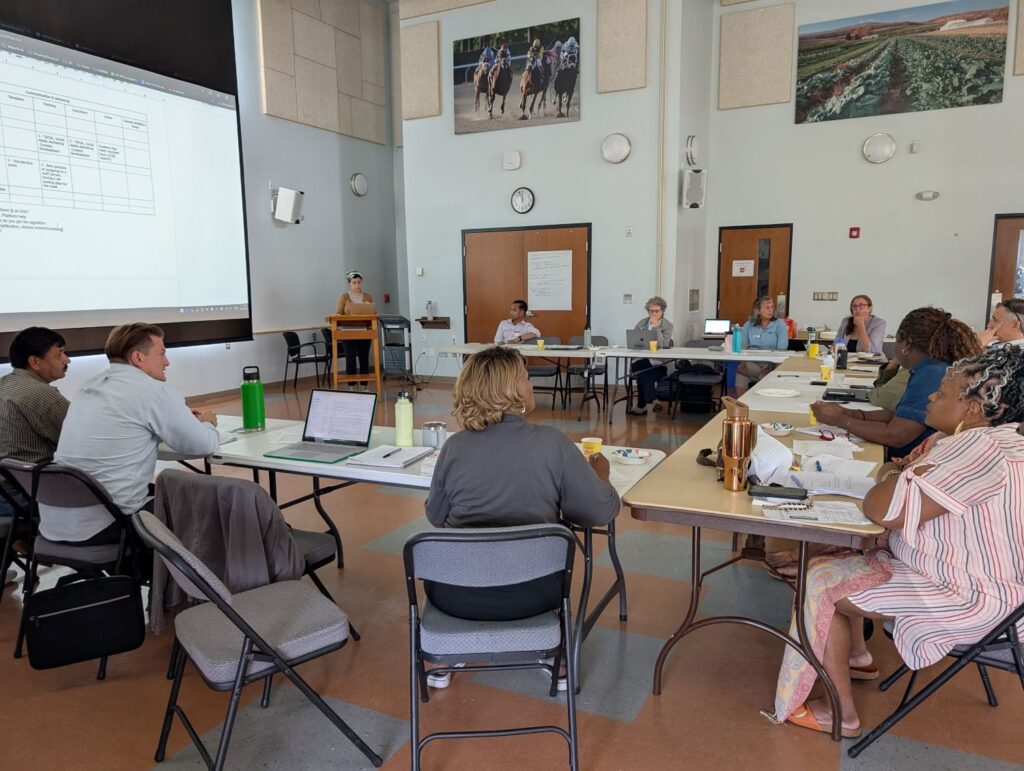
The bulk of my time this week is invested in rolling out NeighborSpace’s new EPA-funded project: Providing green space for disadvantaged communities. This project is intended as a pilot for a more proactive approach to conservation. NeighborSpace will map priority areas based on their need for public open space and then proactively reach out to priority communities to engage them in the process of protecting, restoring and stewarding pocket parks. The first steps are to map priority areas, develop outreach materials and build out the NeighborSpace website as a resource hub that is useful and easy to navigate for community members. A small but dedicated team of Board members works with me to review contractor quotes. On Friday, I meet with each of the three selected contractors to kick off their portion of the project. I’ve been looking forward to identifying priority areas and piloting a proactive approach for a long time, and I’m very excited to start this work!
Week 3
Monday is dedicated to writing grant reports and reviewing our quarterly progress on NeighborSpace’s annual workplan and budget. We’ve gotten a lot done and are on track to achieve most of our strategic goals for this fiscal year, but I’d like to double down in a few areas before the year ends on June 30.
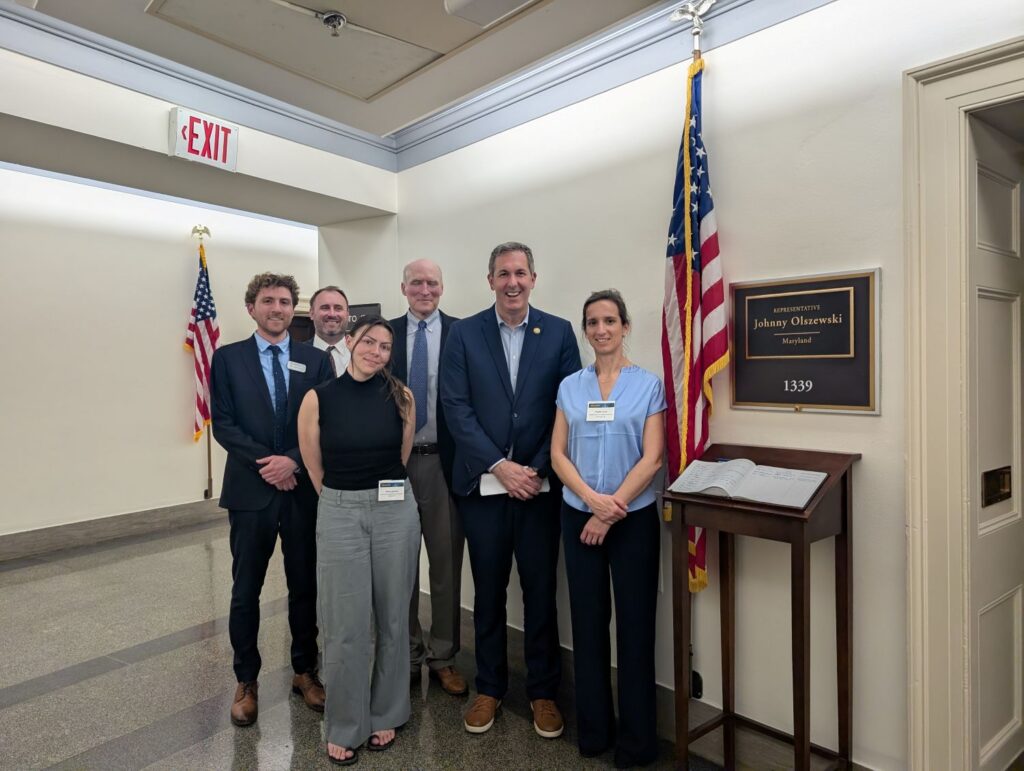
After a day spent behind the computer, I’m happy to take the train to Washington DC on Tuesday to participate in the Land Trust Alliance’s annual Advocacy Days event. My Maryland colleagues and I run (literally!) from legislator to legislator to share challenges that we are currently facing and to advocate for adequate funding of conservation programs, adequate staffing of the federal agencies that we rely on (such as the US Forest Service), and for a thoughtful approach to the siting of solar panels and power lines. I’m heartened by the level of concern expressed by the legislative staff and by their understanding of the issues at hand. At the end of the day, I stop by the reception to catch up with Land Trust Alliance staff and colleagues from across the country. Without fail, the LTA staff has helpful advice for me to think about, and I enjoy hearing what other land trusts are working on.
The remainder of the week is a whirlwind of meetings and planning activities to move the EPA-funded project forward and to prepare for upcoming events. I meet with Carol, NeighborSpace’s Administrative Manager, to review the fundraising data that she has pulled and to discuss next steps in the implementation of NeighborSpace’s new Development Plan. We are eager to roll out a more structured membership program but there are some details we need to figure out first. We also talk through our wants and needs for the new NeighborSpace website and touch base on grant reports, bookkeeping, and the monthly e-newsletter. Carol wears many hats at NeighborSpace but she manages to balance all her activities efficiently and effectively and keeps us all on task!
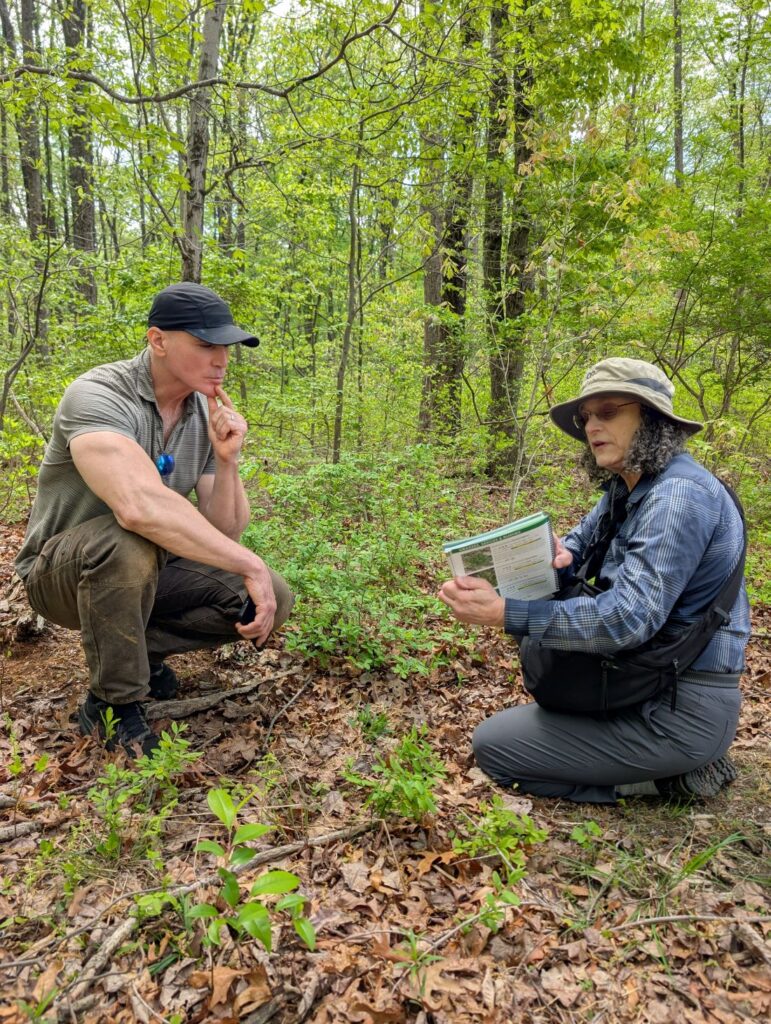
On Saturday, I get to spend a lovely morning in the woods of Volz Neighborhood Park learning about native flora and fauna from local expert Judy Fulton. Her identification skills are amazing and I love her holistic take on forest stewardship. I stop by the hardware store on my way home to pick up additional shovels and close out the work day by watering the baby trees in my driveway so we’re all set for NeighborSpace’s volunteer planting activity on Monday. I’m happy to report that almost all of the trees survived the winter and are sending out new bright green shoots.
Week 4
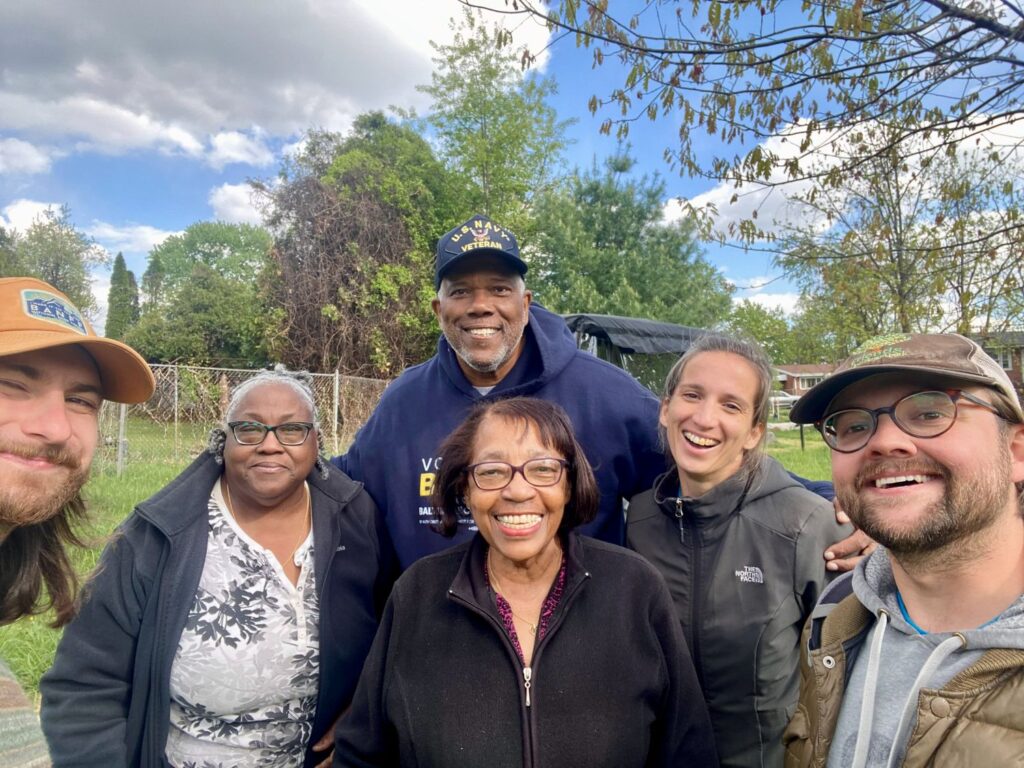
Happy Earth Week! This is NeighborSpace’s busiest week of the year. Our first event is a maintenance training at Powhatan Park. It turns into a conversation with community leaders about stewardship priorities for the park, enhancements we’d like to install and events we’d like to host later this spring. When I leave the park, the big pile of mulch is still there and the bioretention ponds still need weeding, but I’m grateful for the time spent with our stewardship partners. This conversation helped to clarify our mutual priorities for the park, and we’ll come back another day with a larger group to get the hands-on work done.

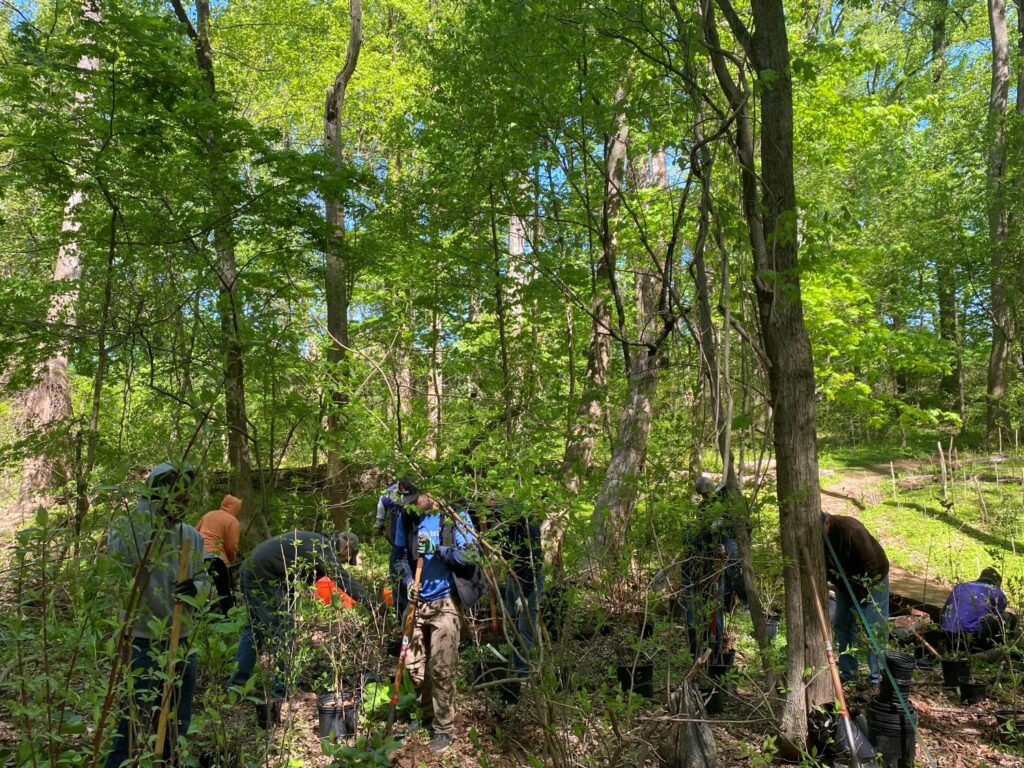
Tuesday starts bright and early! I deliver tools and trees to Tollgate Wyndham Preserve, where Board member Chloe’s team of volunteers unloads them for planting. Together with Conor, they install two Miyawaki-style plantings in the interior of the forest. Over the winter, Conor worked tirelessly to clear several large areas of invasive Japanese angelica tree. Like many urban forests, Tollgate suffers from heavy invasive and deer pressure. Conor has come up with a restoration plan that involves very dense plantings of native trees, shrubs and perennials. He aims to complete all the planting this spring and will then carefully monitor and maintain these native patches with volunteers. Conor has become an expert at plant ID and knows this forest better than anyone, so I’m hopeful that this will prove to be a successful restoration strategy that we can replicate at NeighborSpace’s other wooded sites.
I leave Tollgate and head to my desk for meetings with staff members, the Development Committee and a landowner interested in conserving his property.
On Earth Day, Conor hosts a group of volunteers from Stanley Black and Decker for more planting at Tollgate Wyndham Preserve and Will hosts a bio blitz with iNaturalist training at Ridgely Manor Park. I spend most of the day writing grant reports, then head to Towson University to table at the Student Meet & Greet. This is an opportunity for students to connect with local nonprofits. I have a great time talking to students with a range of interests and majors and figuring out how they might like to engage with NeighborSpace.
Thursday starts with the quarterly meeting of the Baltimore Urban Waters Partnership. BUWP is a large partnership of federal, state and local government agencies, universities and nonprofit organizations focused on improving the Patapsco River watershed. The meetings are a great place to connect with subject matter experts and stay abreast of best practices and new research. I always learn something new!
On Friday, I review a draft easement that we’re working on and consult with members of the Applications Committee, and we make a second trip to the potential new property that we visited in Week 1.
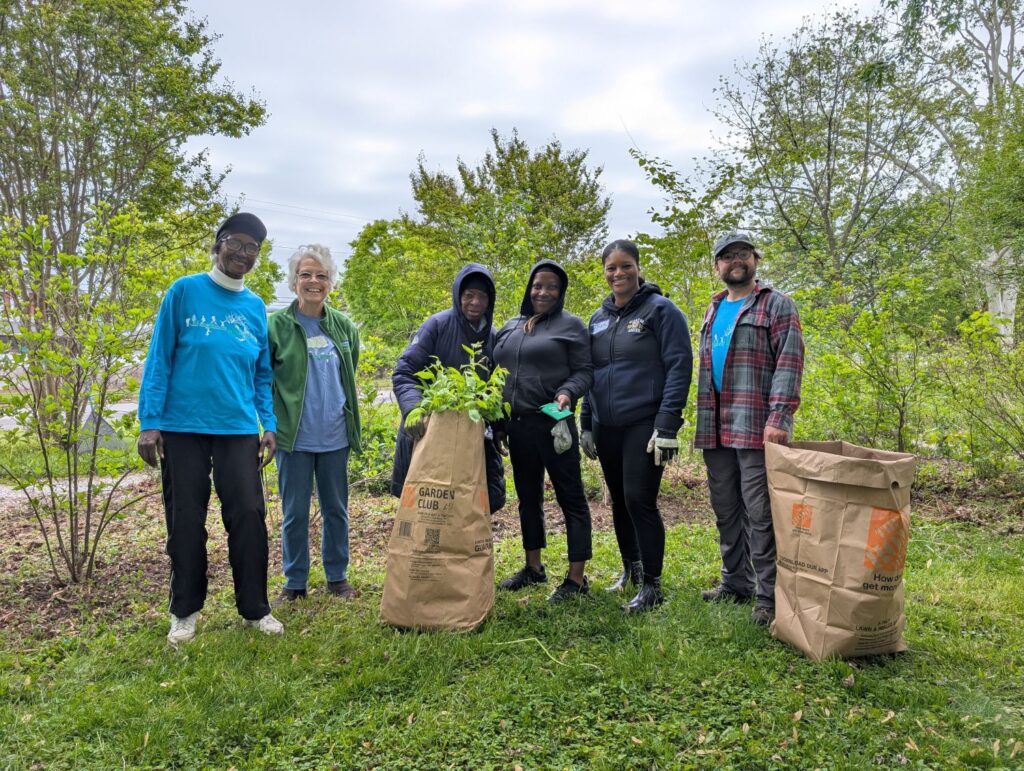
By 7am on Saturday, I’m on my way to Chestnut Park. Each year, Turner Station Conservation Teams hosts a big Earth Day event to clean and green the Turner Station community. The turnout is great and we succeed in weeding three large garden beds. I even learn some new – to me – history about Turner Station in the process!